Large boundary walls
The full wall is assessed for damp lines, cracks, vegetation contact, failed areas, and access before cleaning and coating are priced.
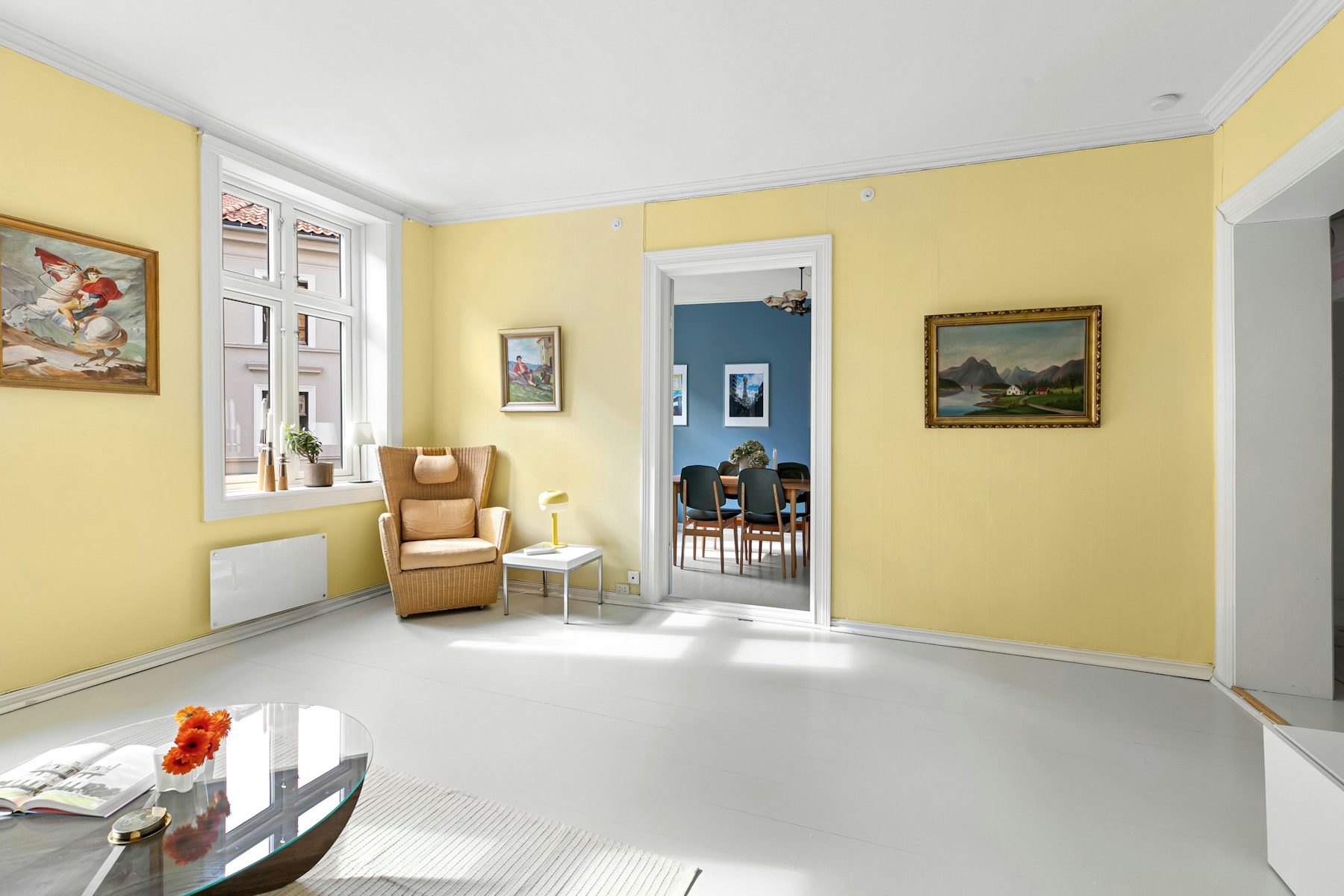
Interior & exterior · Constantia
Considered painting for large boundary walls, generous interiors, older fabric, timber details, and shaded elevations that need more than a quick cosmetic coat.
Painting homes in Constantia
Constantia properties can bring several demanding surfaces into one project: long boundary walls, older plaster, detailed timber, shaded elevations, and generous interiors. Each may need a different preparation and coating plan.
Dense planting and slow-drying shaded areas can contribute to recurring organic growth or coating failure. We look for the moisture source, failed sealants, fine cracking, chalking, and previous repairs before specifying what should happen next.
For older or heritage-sensitive homes, original materials and the building’s appearance deserve particular care. Owners should confirm whether heritage or City approval applies before changing exterior colours or treating historically unpainted surfaces.
Local priorities
The full wall is assessed for damp lines, cracks, vegetation contact, failed areas, and access before cleaning and coating are priced.
Careful handling of older plaster, timber windows, doors, pergolas, fascias, and materials that should not be coated without the right approval.
Active leaks or damp are flagged first. Affected hard surfaces are cleaned and dried before compatible primers and finishes are considered.
Leafy shade, walls & recurring moisture
Long garden walls, sheltered elevations, mature planting, irrigation, gutters, sealants, plumbing, and ground contact can create very different moisture patterns around one property. The visible stain or peeling paint is a symptom, not a diagnosis.
Explore our damp-wall preparation serviceWe flag likely leaks, drainage, irrigation, sealant, condensation, or ground-moisture routes so the appropriate repair or specialist assessment comes first.
Loose paint, damaged filler, dirt, salts, and limited surface growth are prepared only after the source and extent of the problem are understood.
The substrate must be sound and sufficiently dry for compatible repairs and primers; appearance alone is not a reliable readiness test.
The primer and finish are selected for the repaired plaster or masonry, expected exposure, and the condition of surrounding coatings.
Important: Paint is not damp proofing. Active leaks, persistent damp, extensive mould, hidden contamination, or structural water entry require the appropriate specialist before decorating resumes.
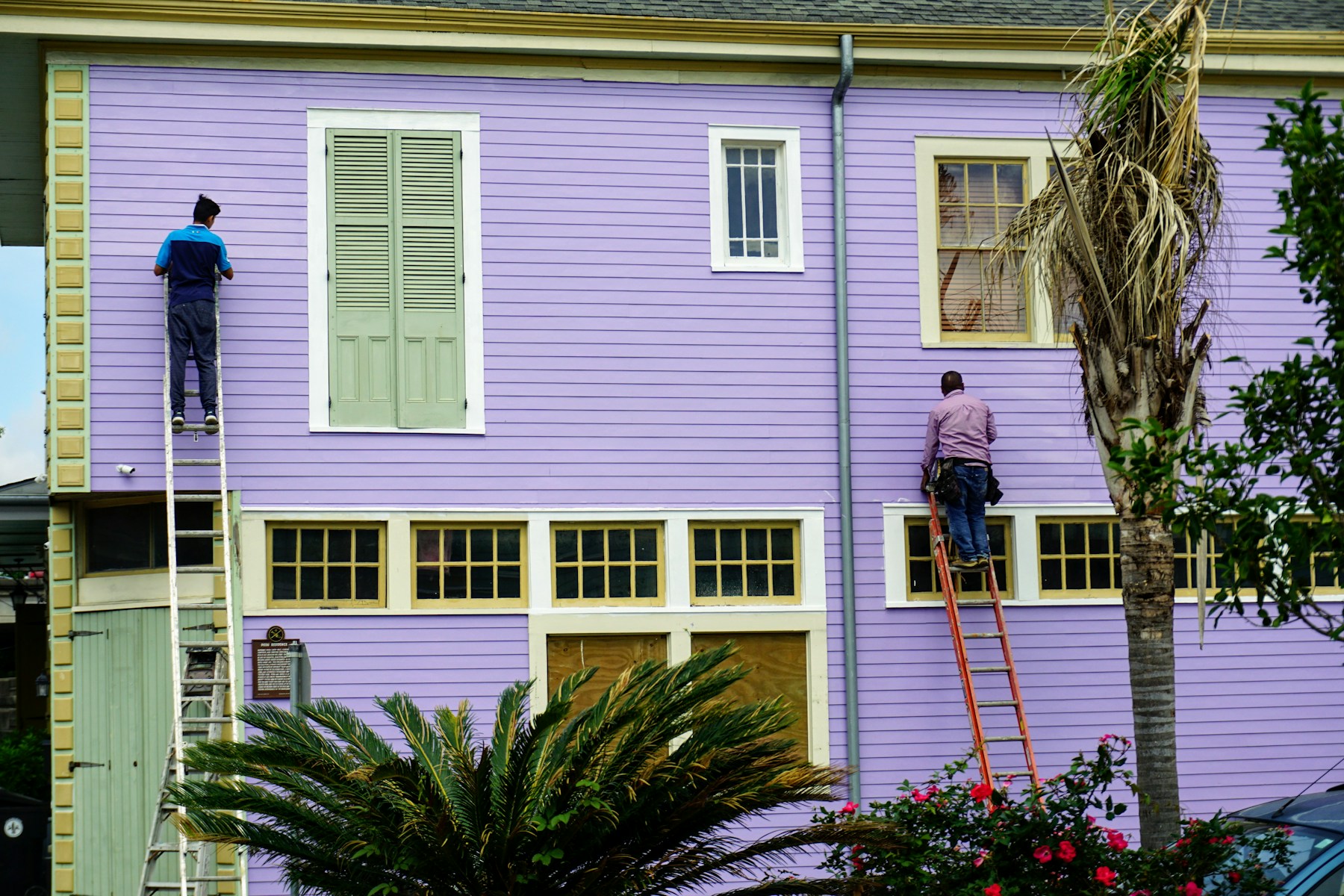
Preparation before decoration
Leafy surroundings and sheltered elevations can affect how masonry dries and ages. We do not use fresh paint to hide active damp or mould: the source must be addressed, affected surfaces cleaned and dried, and unsound coating removed before repainting.
A clear way forward
We inspect the surfaces, access, exposure, repairs, and finish you have in mind.
Surroundings are protected before cleaning, filling, sanding, sealing, and priming.
Paint is applied carefully, details are checked, and the site is handed back tidy.
Constantia painting FAQ
These answers cover common local considerations. The property walk-through is where we turn them into a specific plan.
Yes, with a careful assessment of older plaster, previous coatings, timber, and original details. If the property is heritage-protected or in an overlay zone, the owner should confirm the applicable approval before exterior colours or historically unpainted materials are changed.
Painting begins only once the moisture cause has been addressed and the surface is clean and dry. Minor surface growth on sound hard material may be prepared as part of the painting scope; extensive or hidden contamination needs specialist assessment.
Yes. We can divide it by elevation or logical stopping points, while keeping preparation and coating specifications consistent across the full wall.
Painting in Constantia