Roof, gutter & plumbing leaks
Failed roof details, gutters, downpipes, windows, plumbing, and sealed joints can feed water into walls long before the visible paint failure is traced.
Southern Suburbs moisture preparation
For peeling, blistered, stained, or mould-affected walls in Constantia, Bishopscourt, and the Southern Suburbs—starting with the moisture cause, not a cosmetic cover-up.
Why damp paint fails again
Damp marks, blistering, flaking, staining, powdery deposits, musty areas, and surface mould can point to different water or ventilation problems. Covering those symptoms without addressing the cause simply builds a new finish over an unresolved defect.
Earnest’s role begins with the paintable surface. We flag likely water paths and coating failure, separate normal painting preparation from work that needs a roofer, plumber, waterproofing contractor, ventilation specialist, builder, or mould remediator, and resume decorating only when the substrate is ready.
This is especially important on leafy Southern Suburbs properties where shaded elevations, mature planting, irrigation, roof and gutter details, older plaster, retaining walls, and long boundaries can all behave differently.
Common moisture routes
Failed roof details, gutters, downpipes, windows, plumbing, and sealed joints can feed water into walls long before the visible paint failure is traced.
Ground contact, drainage, irrigation, planting, and retained soil can keep exterior and boundary walls wet or slow to dry.
Bathrooms, bedrooms, cupboards, and other cool or poorly ventilated spaces may develop persistent surface moisture and recurring growth.
The damp-wall painting process
A successful finish depends on the sequence. The repair trade and drying requirements may change, but active moisture never becomes a painting shortcut.
We record damp marks, peeling, blistering, chalking, staining, salts, cracks, musty areas, and visible surface growth by room and elevation.
Roofing, gutters, plumbing, drainage, waterproofing, ventilation, irrigation, or structural concerns are repaired by the appropriate trade before decorating.
Unsound coating and damaged filler are removed. Affected hard surfaces are appropriately cleaned, and the substrate must be sound and sufficiently dry.
Compatible repairs, primers, and finish coats are selected for the substrate, remaining coating, exposure, and product requirements.
Our boundary: Earnest prepares and repaints suitable surfaces. Active waterproofing, structural repairs, hidden contamination, extensive mould, and unresolved plumbing or roof failures are referred to the appropriate specialist.
Interior, exterior & boundary walls
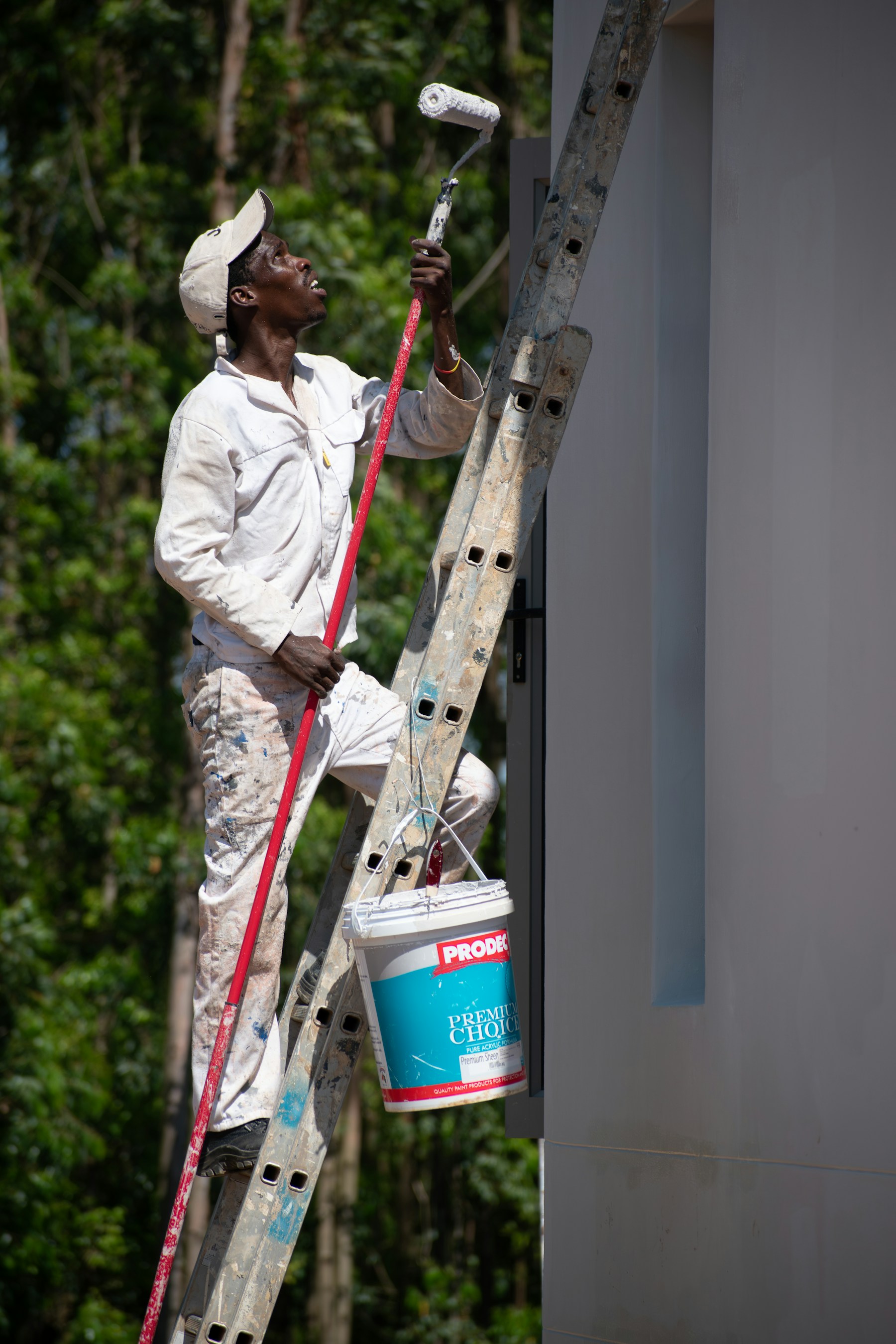
Older plaster, repaired masonry, retaining and boundary walls, ceilings, timber, and previously painted surfaces do not share one universal damp treatment. The finish system follows the material, remaining coating, corrected moisture condition, and manufacturer requirements.
Damp-wall painting FAQ
The property assessment separates ordinary preparation from moisture, building, or remediation work that must happen first.
No. Painting over an active moisture problem or mould-affected surface may hide it briefly but does not correct the cause and can lead to renewed failure. The source must be addressed and the wall made sound, clean, and ready for the specified coating.
Some specialist products are designed for particular cementitious substrates and moisture conditions, but they are not a universal repair for active leaks, failed waterproofing, plumbing, drainage, condensation, or structural water entry. Product selection follows diagnosis and the manufacturer’s specification.
Limited surface growth on sound, cleanable material may form part of preparation once the moisture cause is corrected. Extensive growth, hidden contamination, affected porous material, or health concerns require specialist assessment and remediation.
There is no responsible fixed waiting period. Readiness depends on the water source, material, wall thickness, weather, ventilation, repair method, and coating specification. The substrate needs to be assessed rather than judged only by surface appearance.
Priority areas include Constantia and Bishopscourt, with enquiries welcome from Newlands, Claremont, Rondebosch, Kenilworth, Wynberg, Tokai, and nearby suburbs subject to availability and project scope.
Damp-wall preparation